
by Rachel Wolf and Andria Thomas
And…the applications are in! The application period for the G20 Challenge on Inclusive Business Innovation has now closed, and we’re sharing a sneak peek into what the overall applicant pool looks like, as well as the early lessons we are learning about the growing movement of business leaders who are committed to ending poverty through their business models. (If you aren’t yet familiar with the G20 Challenge, the Challenge website or the earlier D.blog post can catch you up.)
To recap, inclusive businesses work with people living at the base of the pyramid (BOP). These businesses work with low-income people at different points along the value chain: as suppliers, distributors, retailers, or customers. For example, a company that adapts its core product to be both appealing and affordable to low-income buyers is an inclusive business. So is one that sources its agricultural products from a number of low-income smallholder farmers. Inclusive business models vary widely, ranging from the seemingly obvious to the truly innovative.

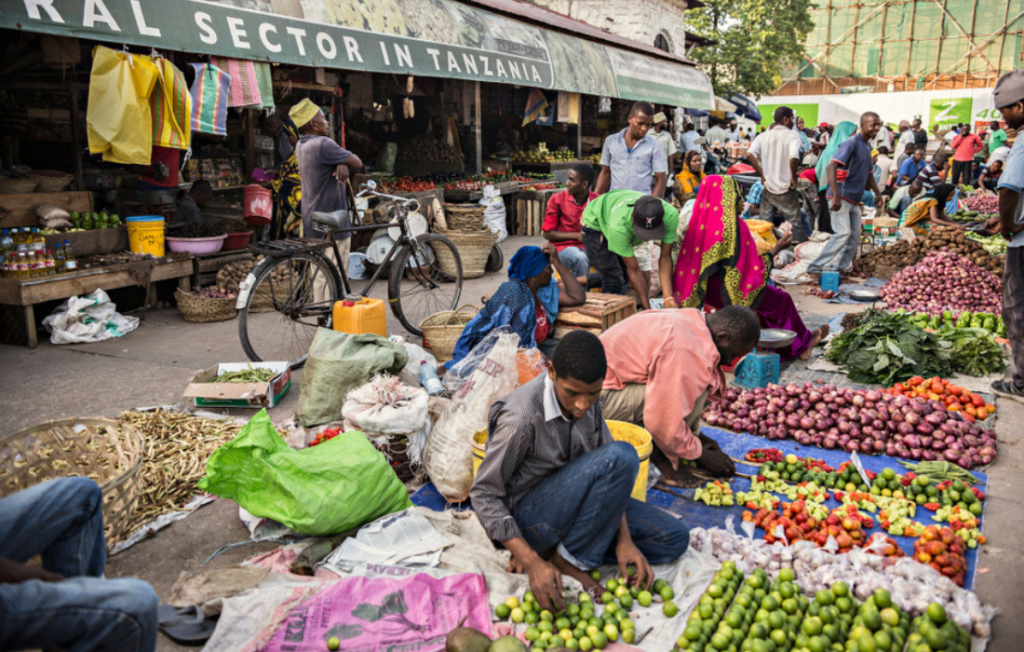
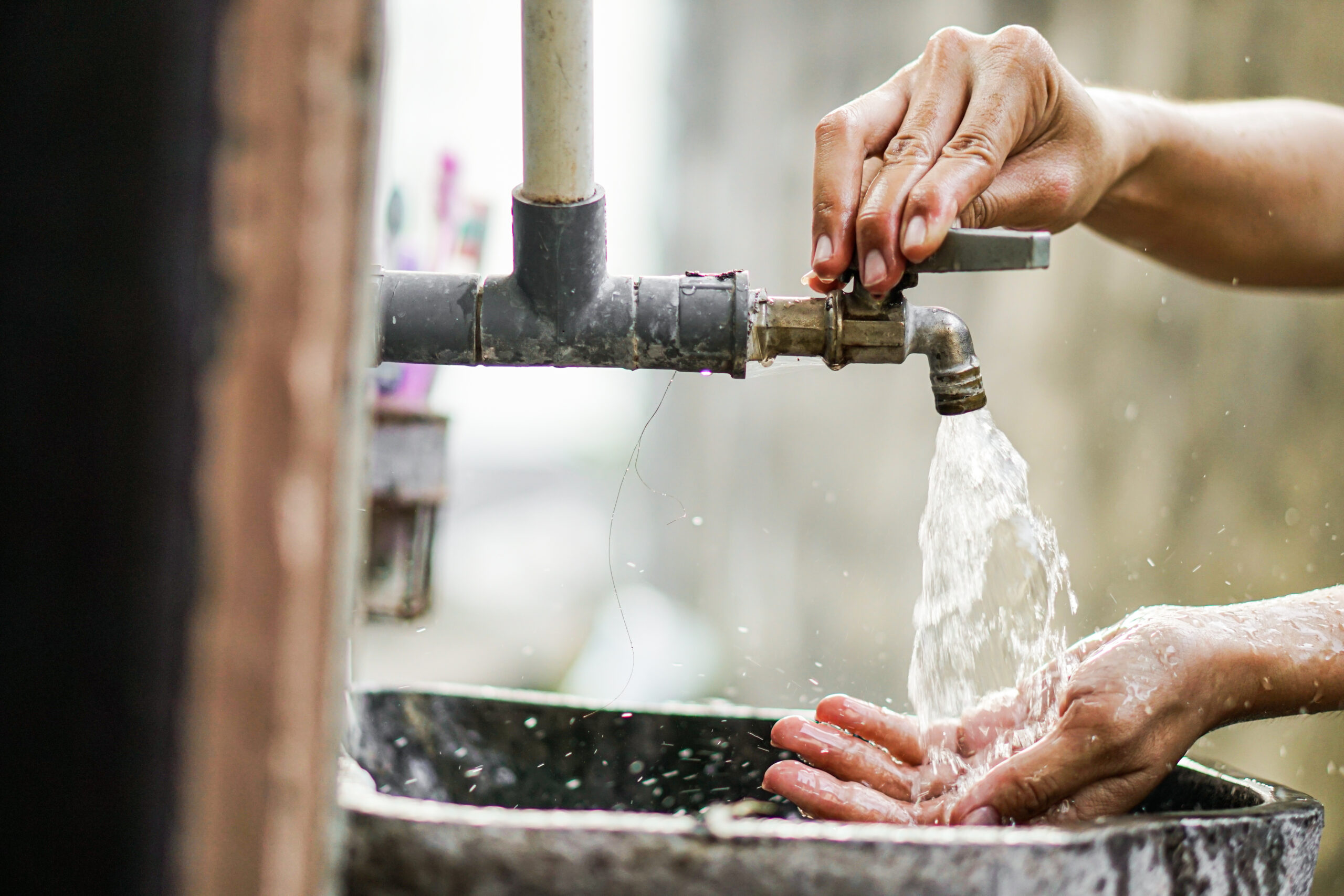
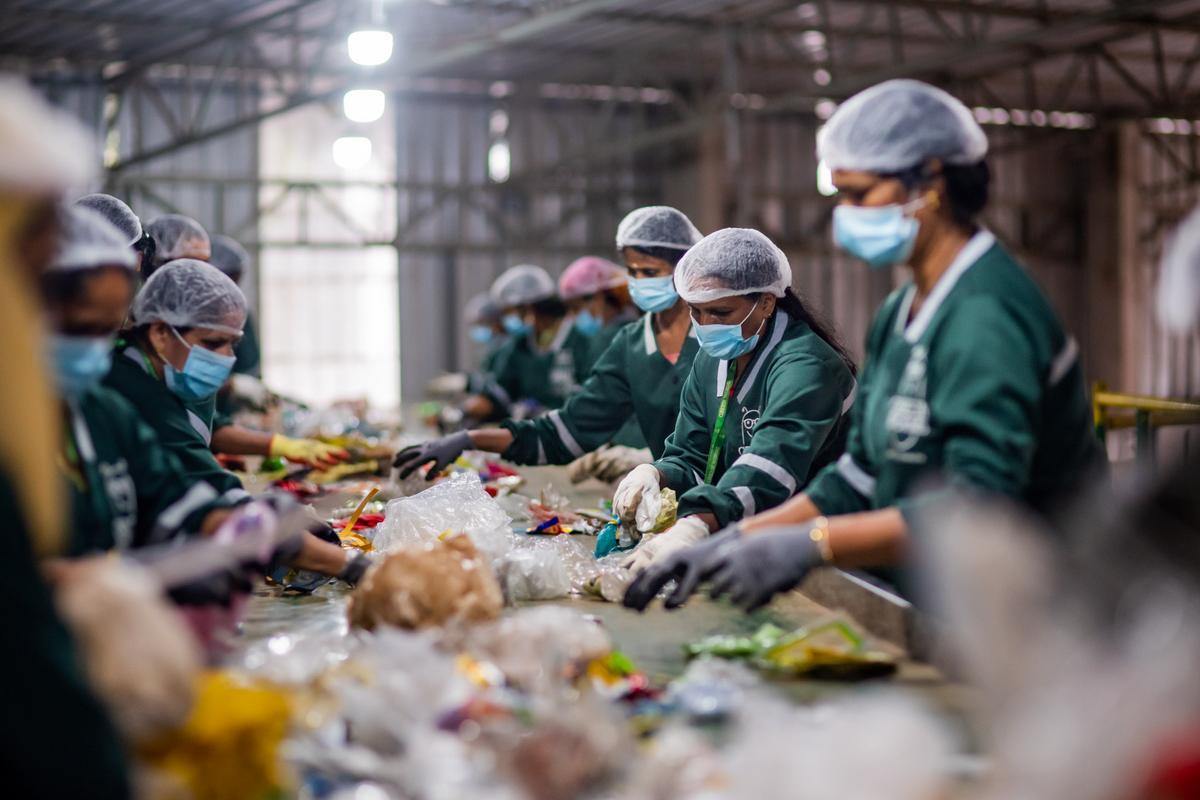
Challenge applicants came from a wide range of sectors, including agriculture, health and education, and retail. (Photo Credit: IFC)
But if a company doesn’t realize that it’s an inclusive business, how does it know to apply to a contest on “Inclusive Business Innovation?”
We began reaching out to more than 300 organizations to publicize the Challenge and encourage nominations, ranging from purely business networks such as Africa’s Frontier 100 or local Chambers of Commerce, to development networks such as the Aspen Network of Development Entrepreneurs (ANDE) and the World Resources Institute (WRI). The outreach also included critical networks that align the two, such as the World Business Council for Sustainable Development (WBCSD) and Business Fights Poverty.
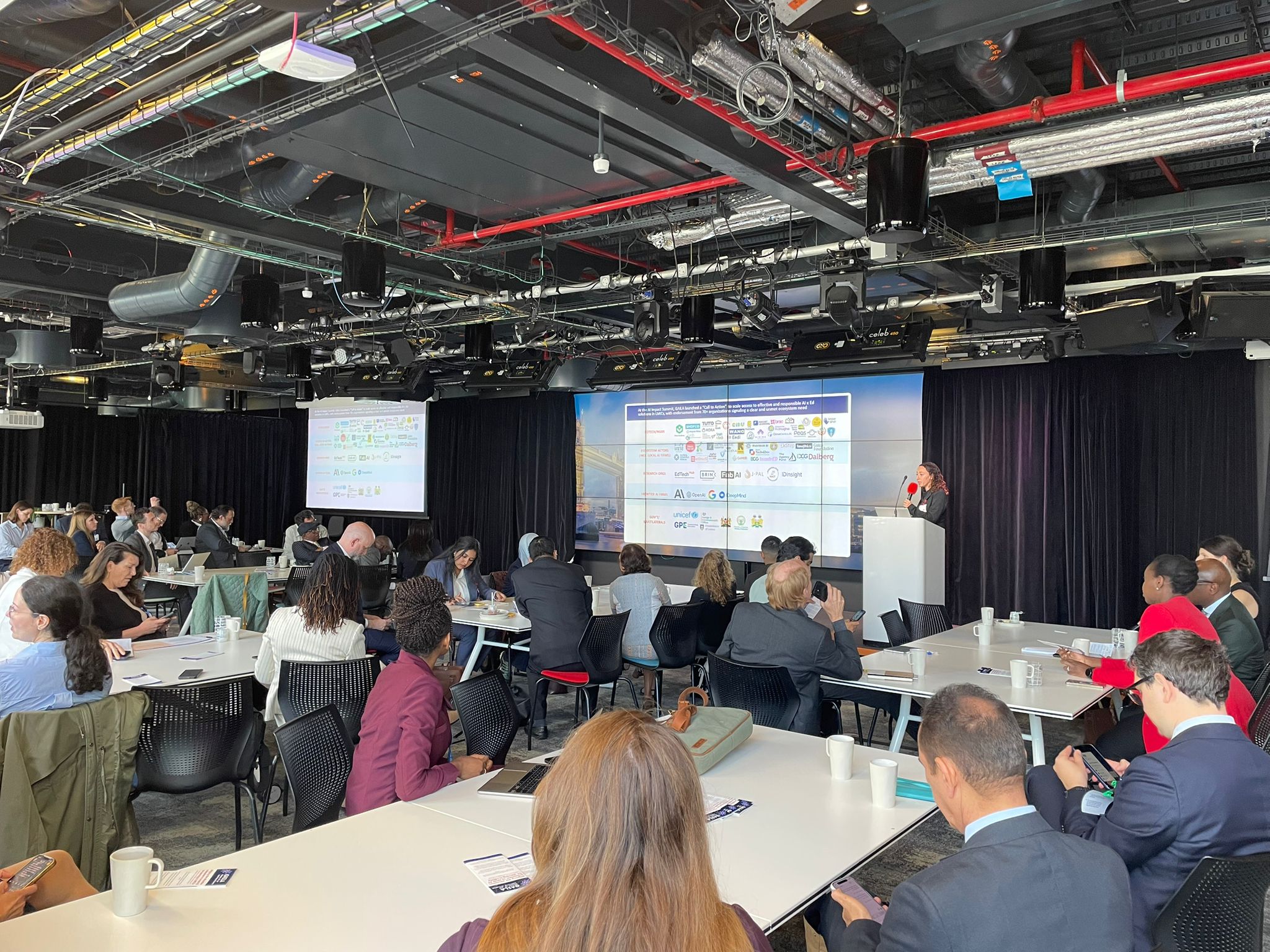
We found that interest in the Challenge was widespread, particularly in regions such as Latin America, South Asia, and Sub-Saharan Africa where the concept of inclusive business has gotten more exposure. To support these regions’ growing interest in inclusive business, Dalberg held marketing events in Mumbai, Delhi, Johannesburg, and Nairobi to answer questions and inspire dialogue within nascent regional inclusive business communities.
After four months of diligent outreach, the Challenge ultimately attracted 291 pre-applications, which converted to nearly 170 full applications. (Companies that pre-applied but didn’t meet all of the eligibility criteria were not invited to submit a full application, and not all that were eligible were able to complete the rigorous application.) Some interesting observations:
• Applications came from 75 countries
• Larger companies (> $1M USD in annual revenue) and smaller ones are represented equally
• Applicants operate in a wide range in sectors, from housing to telecom, with particularly high representation from the agriculture, health and education, and retail industries
The diversity of the applicant pool shows that inclusive business is a flexible strategy: it can be employed at nearly any scale and any sector, whether it’s from a sparsely populated island or a burgeoning mega-city. When up to 15 winners of the challenge are announced at the G20 Leaders Summit in June, their examples will highlight the ways that businesses across the globe can pursue commercially viable models that raise the living standards of people living at the BOP. And with such a strong applicant pool, the Challenge’s panel of distinguished judges certainly has their work cut out for them!