


Dalberg uses cookies and related technologies to improve the way the site functions. A cookie is a text file that is stored on your device. We use these text files for functionality such as to analyze our traffic or to personalize content. You can easily control how we use cookies on your device by adjusting the settings below, and you may also change those settings at any time by visiting our privacy policy page.
In India, the representation of women in Parliament has risen at a creeping pace, from 5% in the first national assembly in 1951 to almost 14% today. The Women’s Reservation Bill, passed in September 2023, reserves 33% of seats in the national and state assemblies for women, signalling the political intent of moving from women’s development to women-led development. The passage of the longstanding bill is a historic moment, but a quota is not enough to ensure that women are truly represented. What else will it take to empower women to stand for elections and carve political careers?
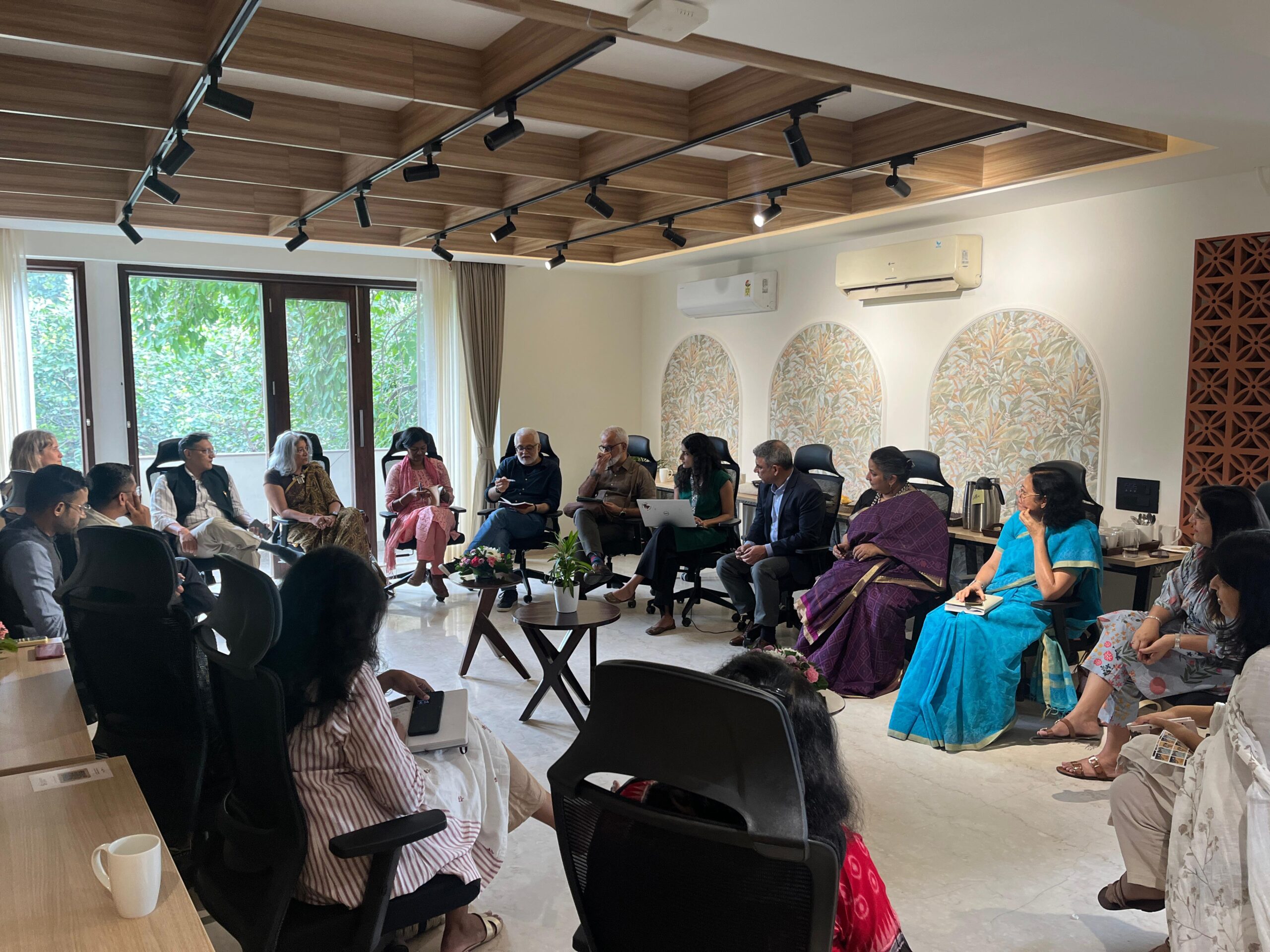
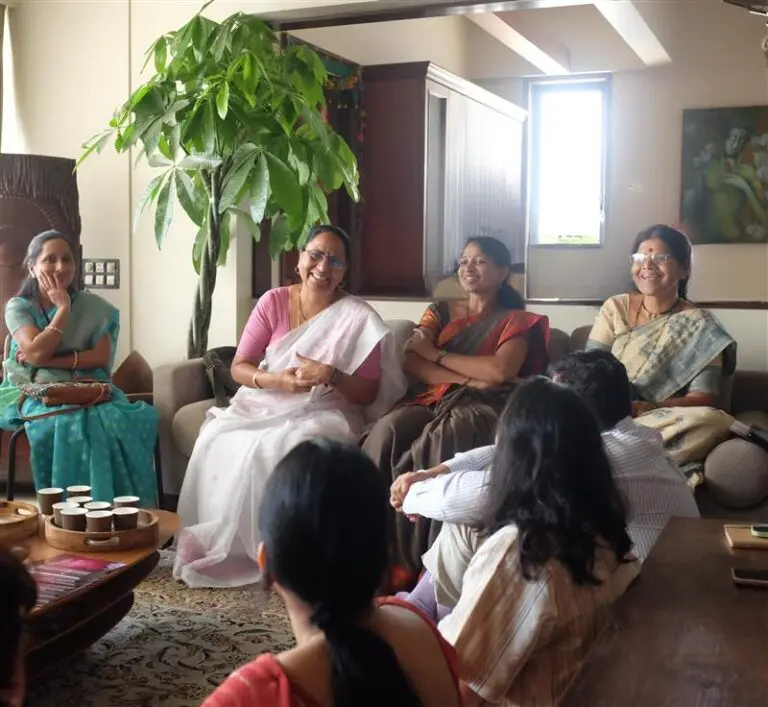
This question was at the center of a closed-door discussion, ‘Panchayat to Parliament: Grassroots Women Shaping India’s Political Future’, held by CORO India, Mann Deshi Foundation, Raah Foundation, and Dalberg. We heard the experiences of veteran women grassroots leaders who have stood for office through the Panchayati Raj system, which offers 33% to 50% reservation in local governance and has for decades enabled women to become sarpanches. The learnings from the conversation are deeply relevant while thinking about how women can be supported at the state and national levels.
Key takeaways from the conversation:
1. The political journeys of men and women are strikingly different. Encouraged by their communities and lacking the social barriers that women face, men enter politics early and quickly make networks. Women tend to begin later, after marriage. The delay puts women at a disadvantage.
2. While women have been successful in participating in panchayat politics in significant numbers, few women contest elections at the state and national levels. The barriers to entry—the lack of funds, upward mobility within political parties—need to be addressed for women to effectively breach the local governance ceiling.
3. Having a supportive family is crucial. This will leave women to focus their energies on work—and overcoming other challenges such as male colleagues and members of society, whose patriarchal mindsets make them either hostile or hesitant to work with women.
4. The lack of advanced educational qualifications is not a barrier to political mobility at the panchayat level. With the support of their families and society, women find the courage and drive to enter politics.
5. Women need to be supported in their roles with capacity building and financial planning programmes. It’s equally important for women to proactively educate themselves by taking advantage of government-run training schemes.
6. Women leaders govern differently as compared to men: they prioritize the daily needs of their communities such as access to water and healthcare; large-scale infrastructure projects like roads and bridges come second. If more women lead at the Parliamentary level, then development outcomes could be more community centred.
The convening was intended to spark a discussion on women-led development ahead of the special Parliamentary session to debate amendments to the Women’s Reservation Bill (Nari Shakti Vandan Adhiniyam, 2023) starting April 16.