

Dalberg uses cookies and related technologies to improve the way the site functions. A cookie is a text file that is stored on your device. We use these text files for functionality such as to analyze our traffic or to personalize content. You can easily control how we use cookies on your device by adjusting the settings below, and you may also change those settings at any time by visiting our privacy policy page.
About The Dalberg Observatory
The Dalberg Observatory is our effort to look beyond the immediate horizon by offering forward-looking perspectives on the decades ahead.
Drawing on our 25 years of serving those who serve the world, we present thought leadership that applies unconventional lenses to complex, systemic issues. We hope to challenge ourselves and our peers, contribute to ongoing conversations and support decision-makers as they navigate the future.
At the core of the Observatory are “Provocations” and “Perspectives.”

Provocations
Short, research-driven inquiries designed to spark debate on under-explored topics, challenge dominant narratives and offer novel outlooks.
What if the Next SDGs Governed Delivery, not Just Ambition?
DO Provocations
The SDGs helped the world agree on what matters. Their successors must go further: assigning responsibility, connecting goals to costed delivery pathways, and triggering action when progress stalls.
Read more →
Is Faith-based Capital the Most Underleveraged Asset in Development?
DO Provocations
Religious giving represents one of the largest sources of funding for development. Despite its scale and resilience, faith-based capital remains underrepresented in mainstream development funding and finance conversations.
Read more →
What’s Missing in the Future of Jobs Debate?
DO Provocations
A chain reaction sets in when AI alters what a worker can do, affecting power structures and the value of services. Let’s take healthcare. How would a future in which an AI-enabled nurse fulfilled a doctor’s role play out?
Read more →
Perspectives
In-depth analyses that build on these provocations. These long-form pieces and webinars provide decision-makers the rigorous evidence and practical implications required to navigate the complexities of future shifts and translate ideas to action.
From Dependency to Destiny: Investing in the South, By the South
DO Perspectives
The era of a stable global aid architecture has ended. What is emerging is a smaller, fundamentally reorganizing aid system, as new actors, instruments, and capital flows reshape how development is financed.
Read more →
Meet the Dalberg Observatory Team
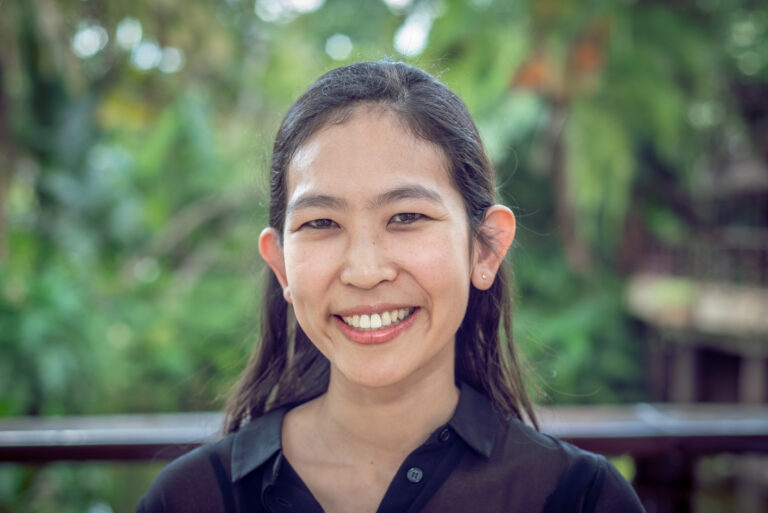
DAYOUNG LEE
Partner
Dayoung Lee is a Partner at Dalberg Advisors based in the Mumbai office. She is a co-lead of the firm’s global Education to Employment Practice. Her focus areas…
Learn More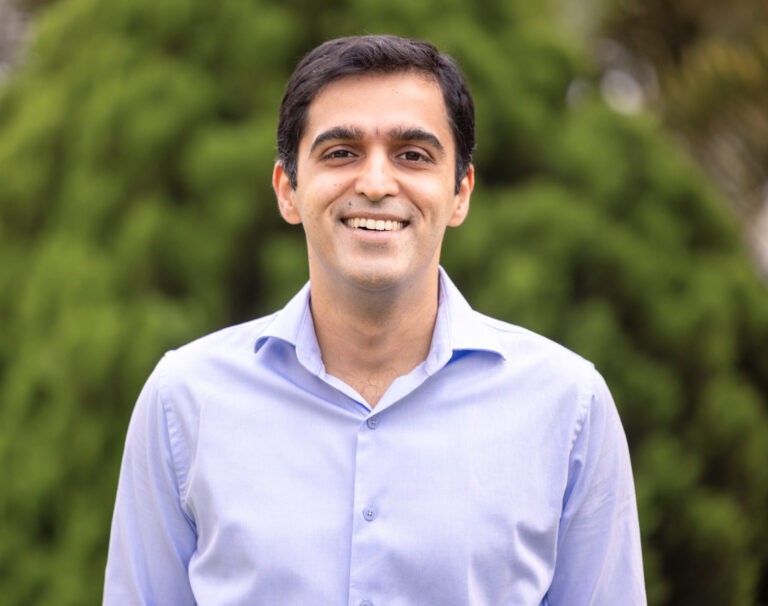
GIRISH ANANTHANARAYANAN
Strategy & Global Partnerships Lead
Girish is the Strategy & Global Partnerships Lead at Dalberg Advisors, based out of the Mumbai office. He leads a central team that works closely with the Dalberg…
Learn More
JACQUI HOCKING
Global Communications Director
Jacqui Hocking is the Global Director of Communications at Dalberg, where she leads global storytelling and strategic communications to elevate bold ideas, translate complex data into accessible insights,…
Learn More