

Dalberg uses cookies and related technologies to improve the way the site functions. A cookie is a text file that is stored on your device. We use these text files for functionality such as to analyze our traffic or to personalize content. You can easily control how we use cookies on your device by adjusting the settings below, and you may also change those settings at any time by visiting our privacy policy page.
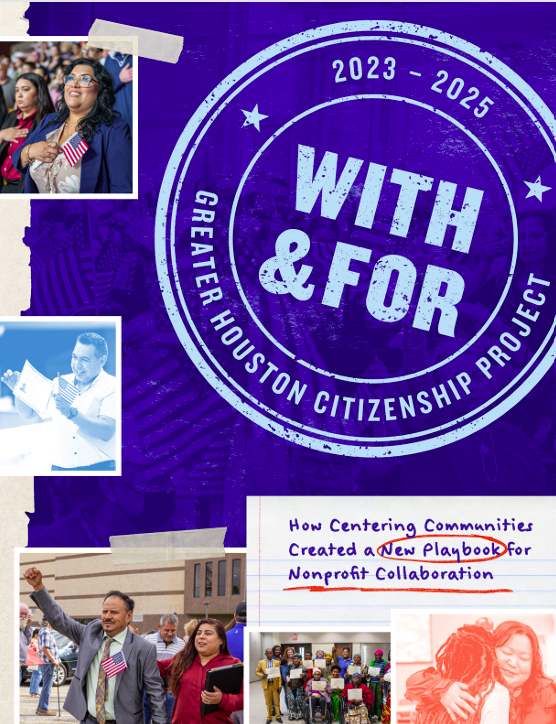
Greater Houston is one of the most diverse regions in the country: one in four residents are foreign born, more than 145 languages are spoken, and over 360,000 lawful permanent residents are eligible to become U.S. citizens. Each year, roughly one in ten of them apply.
The reasons run deeper than paperwork or English proficiency. Trust in institutions, time away from work and family, comfort navigating unfamiliar bureaucracy, and a sense of belonging in U.S. society all shape whether someone eligible for citizenship actually pursues it and those factors look different across Houston’s Mexican, Vietnamese, Congolese, South Korean, and Salvadoran communities, among many others.
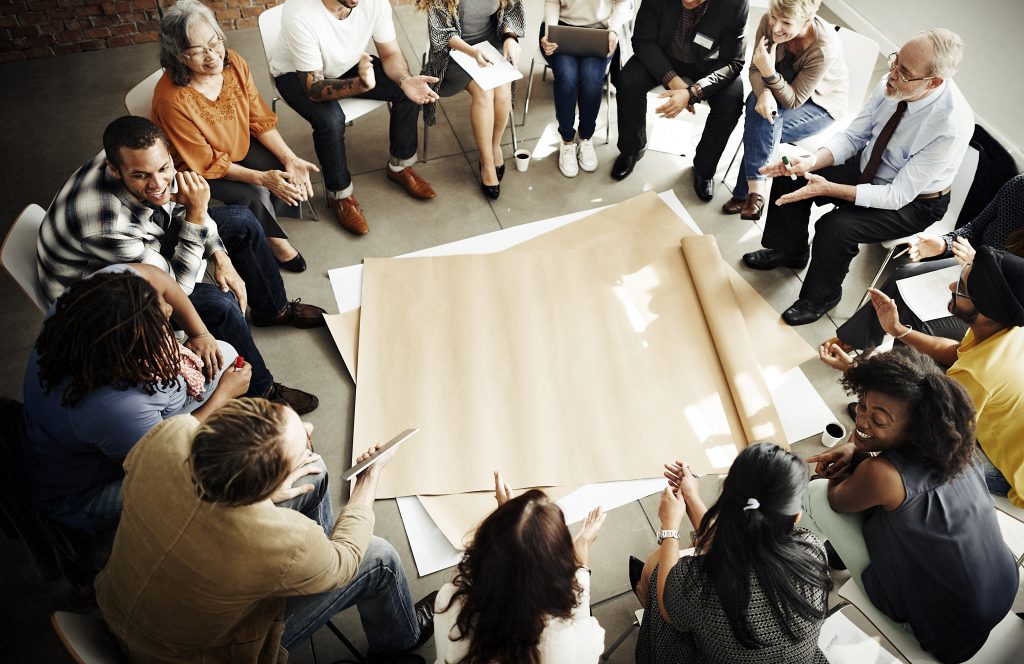
Houston Endowment set out to understand those differences directly. From September 2023 through December 2025, the foundation partnered with Dalberg Design on a human-centered design process: working side by side with residents, nonprofit leaders, and a Citizenship Advisory Committee of local advocates across five Houston-area neighborhoods to surface what actually stood in people’s way, and to co-design responses with the people affected rather than for them.
More than 500 community members took part directly. A subset of 165 engaged across 59 research and co-design sessions, alongside comparative research with 73 experts and organizations in other U.S. metro areas. Our approach offers broader lessons for U.S. funders and nonprofits regarding how they can more effectively bring diverse communities to the table at a time of heightened anxiety and fear.
Three connected pilots came out of that process. Community Support Programs paired a five-session Support Circle curriculum with one-on-one Navigator support for residents preparing to naturalize. Facilitator and Navigator training built local capacity to run both. A multilingual outreach campaign, built around five archetypes that community members themselves surfaced used ethnic media, local influencers, and a dedicated resource site to reach residents who don’t see themselves in typical civic messaging.
Following were the results over a six-month pilot period: 351 participants served, 98% of whom said they’d recommend the programs to others, with average participant confidence in the naturalization process rising 26%. The outreach campaign reached more than 5 million people through community messengers, ethnic publications, and local influencers, generating over 14,700 likes, comments, and shares.
The more durable outcome may be structural. Nonprofits that had long served different language communities in isolation built working relationships with each other for the first time, sharing referrals, legal capacity, and lessons learned. As Dalberg Design Partner Robert Fabricant put it, the design process was “layered on to a very rich trust-building process” at a moment when bringing communities to the table has grown harder, not easier. Lessons from the process have already been shared widely by the Houston Endowment and other project partners including a panel at Philanthropy Southwest conference.
Read the full report below.
