


Dalberg uses cookies and related technologies to improve the way the site functions. A cookie is a text file that is stored on your device. We use these text files for functionality such as to analyze our traffic or to personalize content. You can easily control how we use cookies on your device by adjusting the settings below, and you may also change those settings at any time by visiting our privacy policy page.
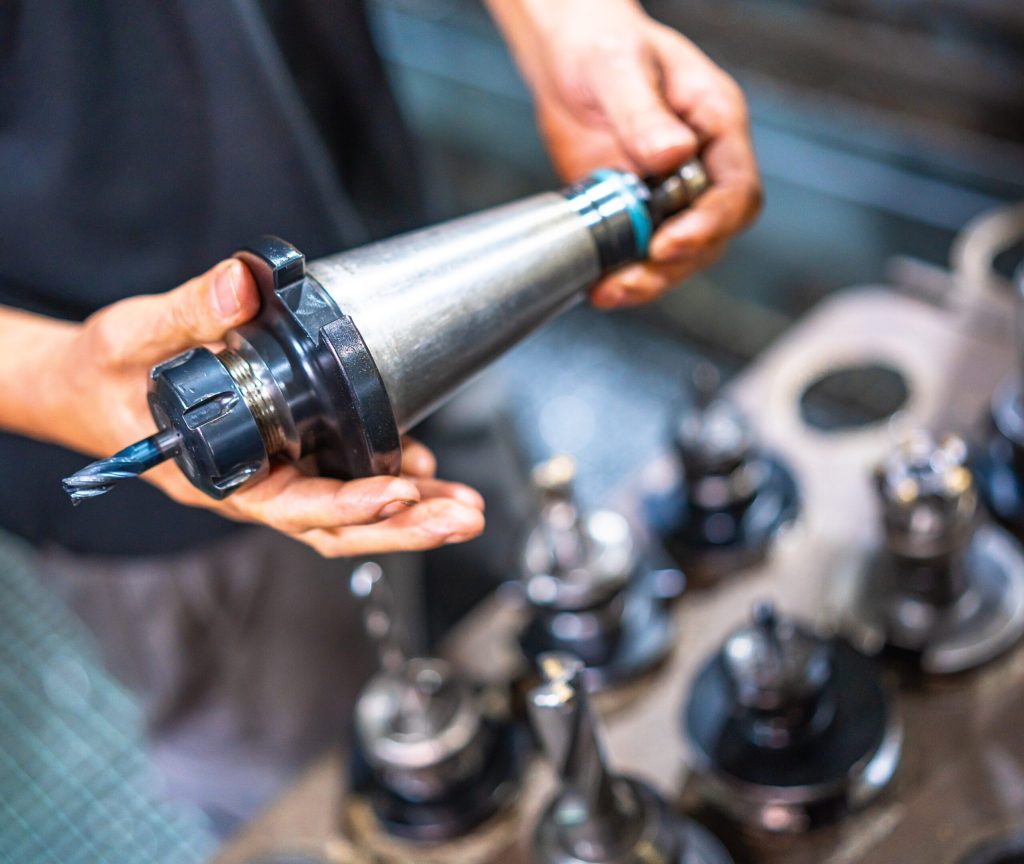
India’s cleantech manufacturing ambition cannot be realized through sector-specific interventions alone. While demand across solar, wind, batteries, e-mobility, green hydrogen, and high-voltage transmission is scaling rapidly, domestic value addition today remains limited at roughly 20–55% across these value chains. As a result, India’s cleantech import bill, estimated at approximately USD 18 billion in 2024–25, could rise to USD 65–97 billion annually by 2030 without deeper indigenization.
As part of the Bharat Climate Forum, Dalberg undertook a set of cross-sectoral analyses that cut across six priority cleantech value chains to identify the systemic reforms required to enable around 50% domestic value addition by 2030. This analysis complements the sectoral deep dives by focusing on the horizontal enablers: demand and market architecture; research, development, and product innovation; upstream raw materials and critical inputs; capital equipment and infrastructure; talent and workforce; and financing and taxation, which determine the pathways to indigenize cleantech manufacturing in India.
This work is grounded in extensive data analysis, stakeholder consultations, and collaboration with leading knowledge partners including CEEW (green hydrogen), MEC+ (wind), and Trilegal (financing and taxation), who supported the analytical development and validation of the pathways.
In case you have any questions, please get in touch with Vismit Bansal.
-
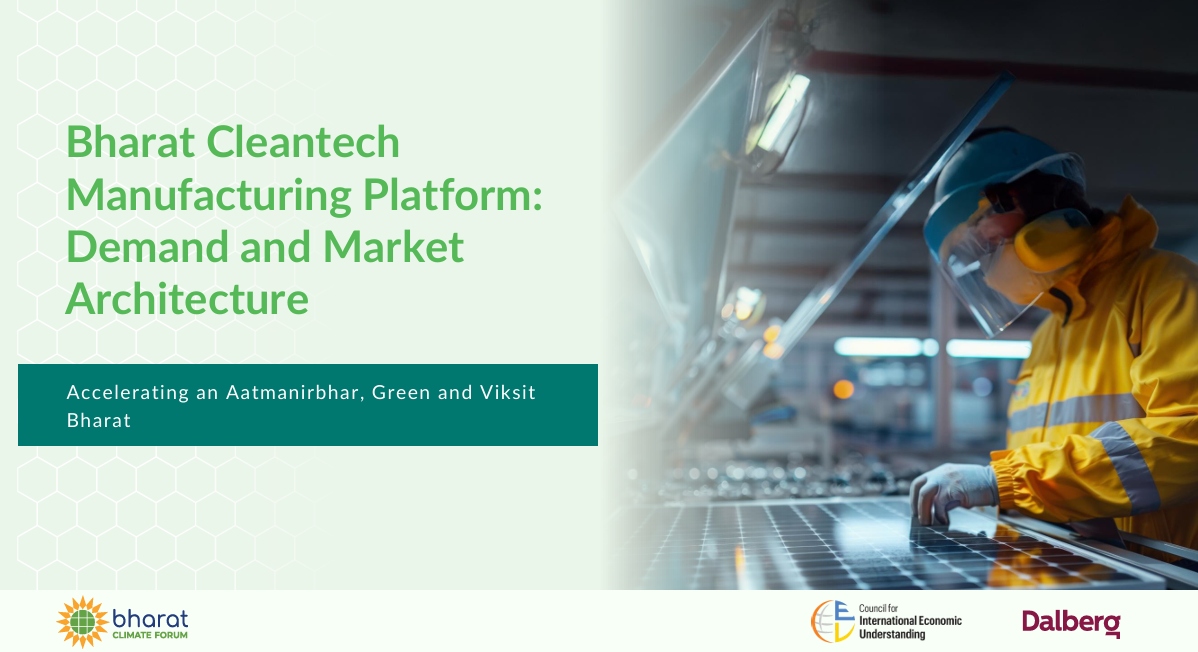
PATHWAY 1 Demand and Market Architecture: Signaling Long-Term Growth
Read More -
PATHWAY 2 Research, Development, and Product Innovation: Building a World-Class Ecosystem for Technology Leadership
Read More -
PATHWAY 3 Upstream Raw Materials and Critical Inputs: Path to Building Supply-chain Security
Read More -
PATHWAY 4 Capital Equipment and Infrastructure: Building the Foundations for Scale
Read More -
PATHWAY 5 Talent and Workforce Development: Preparing the Pipeline for 1.8 Million Cleantech Manufacturing Jobs
Read More -
PATHWAY 6 Financing and Taxation: Mobilizing Capital India’s Cleantech Manufacturing Ambition
Read More