

Dalberg uses cookies and related technologies to improve the way the site functions. A cookie is a text file that is stored on your device. We use these text files for functionality such as to analyze our traffic or to personalize content. You can easily control how we use cookies on your device by adjusting the settings below, and you may also change those settings at any time by visiting our privacy policy page.

The field of climate philanthropy has evolved significantly over three decades. And an increasing number of funders recognize the importance of supporting initiatives to address climate change. Dalberg Partner and Co-lead of the firm’s Environment Practice and Cities Practice Oren Ahoobim describes the evolution and argues that donors today must orient their efforts towards equity and climate justice.
A Brief History of Climate Philanthropy
Climate philanthropy has been evolving for over 30 years. Oren breaks down its history into three waves:
- Get Organized: The first was about getting organized, as climate funders started working more intentionally and in collaboration. The formation in 1991 of the Energy Foundation, a joint initiative of The Rockefeller Foundation, MacArthur Foundation and Pew Charitable Trusts, was seminal. The organisation was formed to devise policy solutions for clean energy in the US. In subsequent years, other intermediaries were created to accelerate policy changes and the technologies needed to reduce emissions.
- Get Serious: The agenda expanded in the second wave. The world began thinking about decarbonizing sectors beyond electricity and transportation. That meant looking at sectors such as shipping, steel, cement, agriculture and so on. Philanthropy acquired a regional focus, institutions collaborated to efficiently address various issues, and more capital led to a proliferation of organizations and collaboratives.
- Get Equitable: The third wave is about climate justice for impacted communities, and adaptation and resilience across sectors.
Equity and Climate Philanthropy
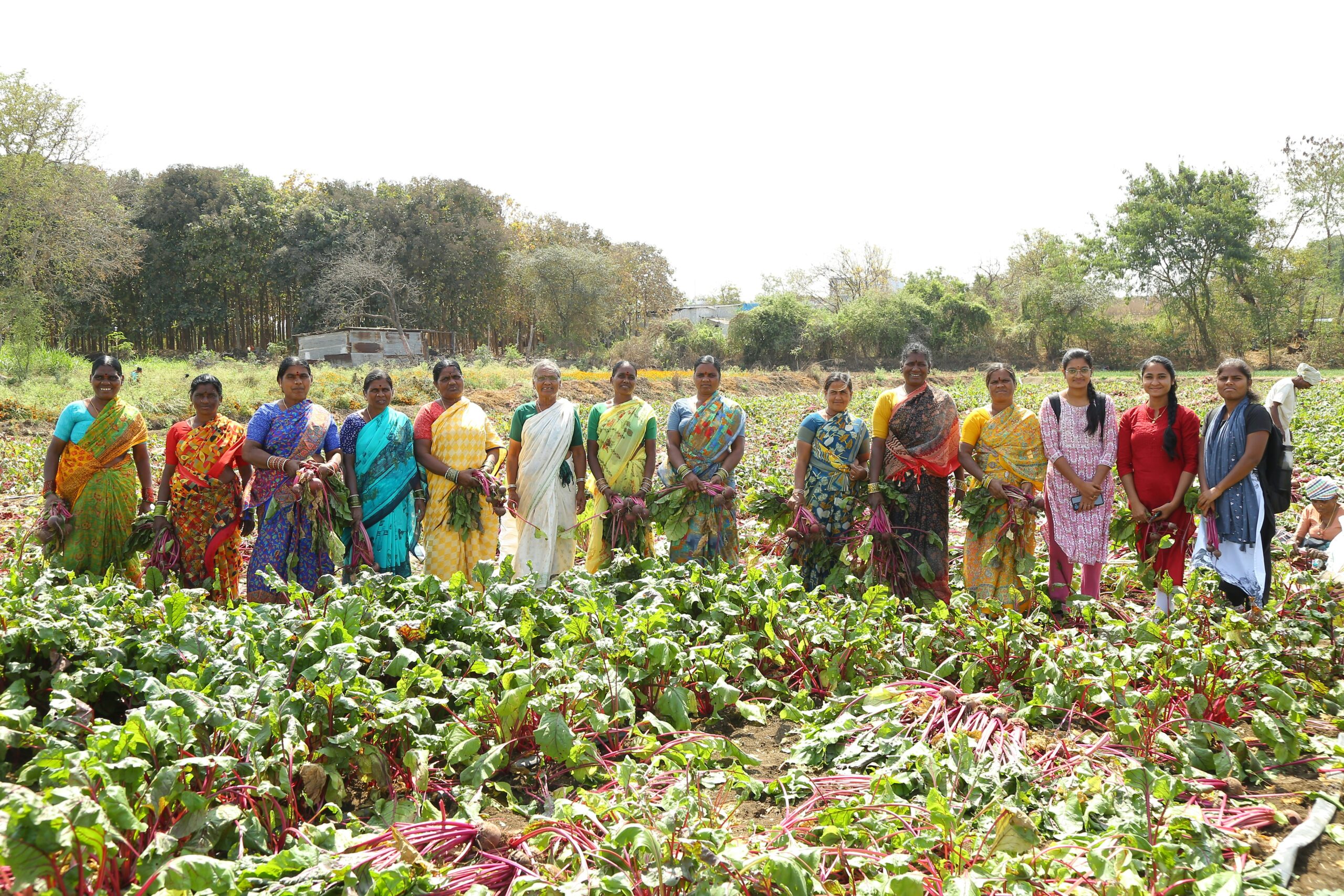
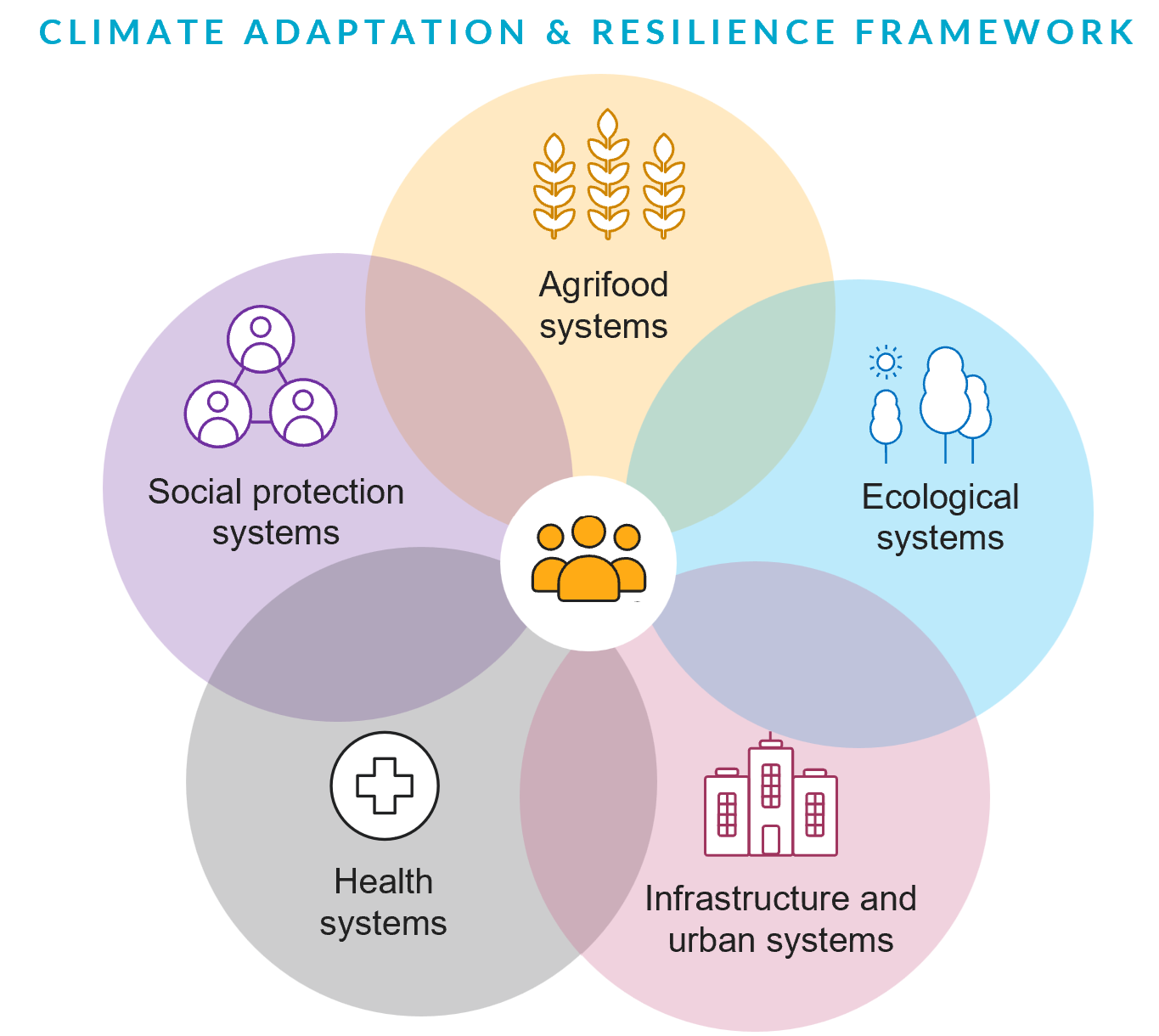
In the current, third wave of climate philanthropy, the impact of climate change – extreme heat, flooding and so on – on communities and natural ecosystems is being recognized. While reducing emissions is of utmost importance, philanthropy is also putting its weight behind adaptation and resilience, practices that put people at the center of philanthropic efforts. This is a significant and challenging shift for some funders.
Three Takeaways about the Third Wave
- The shift from focusing on emissions reductions to climate impacts – in other words, from economics and technology to people – has been challenging.
- Despite some resistance, there’s now a sense of urgency about advancing the causes of adaptation and resilience.
- Climate action must be seen as development action and meaningful development must be equitable.
Dalberg has been helping philanthropic organizations accelerate their investments in adaptation and resilience. Specifically, Dalberg is supporting diverse foundations with strategies that hinge on eight themes of adaptation and resilience, from parametric insurance that addresses the impact of extreme heat on people to incentivizing regenerative agriculture. The aim is to alter mindsets to best serve the needs of people most impacted by climate change.
Watch the video to learn more about climate philanthropy: