




Dalberg uses cookies and related technologies to improve the way the site functions. A cookie is a text file that is stored on your device. We use these text files for functionality such as to analyze our traffic or to personalize content. You can easily control how we use cookies on your device by adjusting the settings below, and you may also change those settings at any time by visiting our privacy policy page.
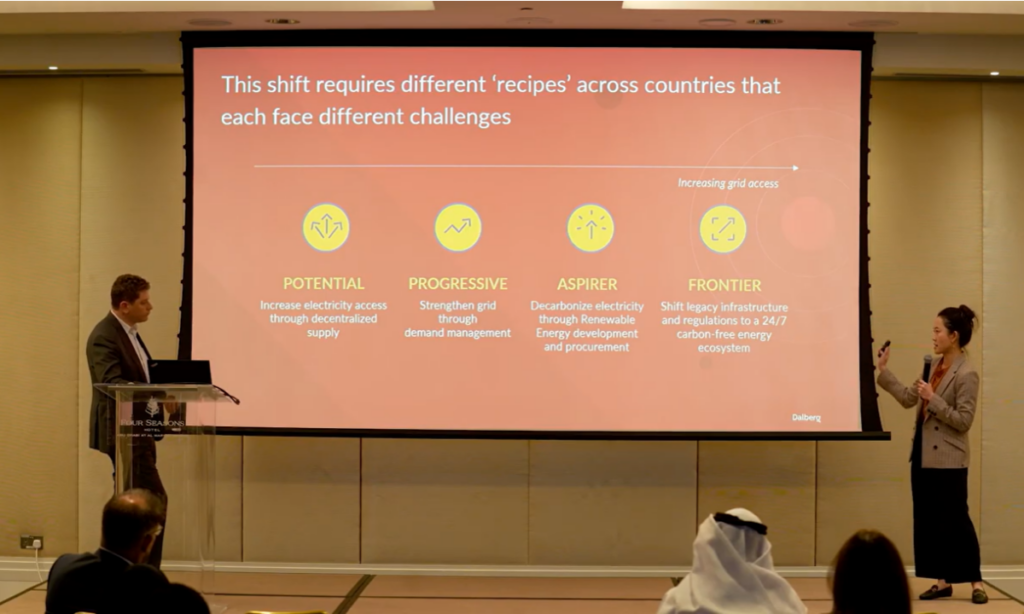
Energy access and the green transition represent two of the most pressing challenges—and exciting opportunities—of our time. Dalberg Advisors Partner and Global Knowledge Lead, Michael Tsan, and Associate Partner, Annette Chau, explored these dual impact agendas in a recent Knowledge Seminar Series, held in collaboration with the Office of Development Affairs in Abu Dhabi.
The State of Energy Access: Progress with Challenges
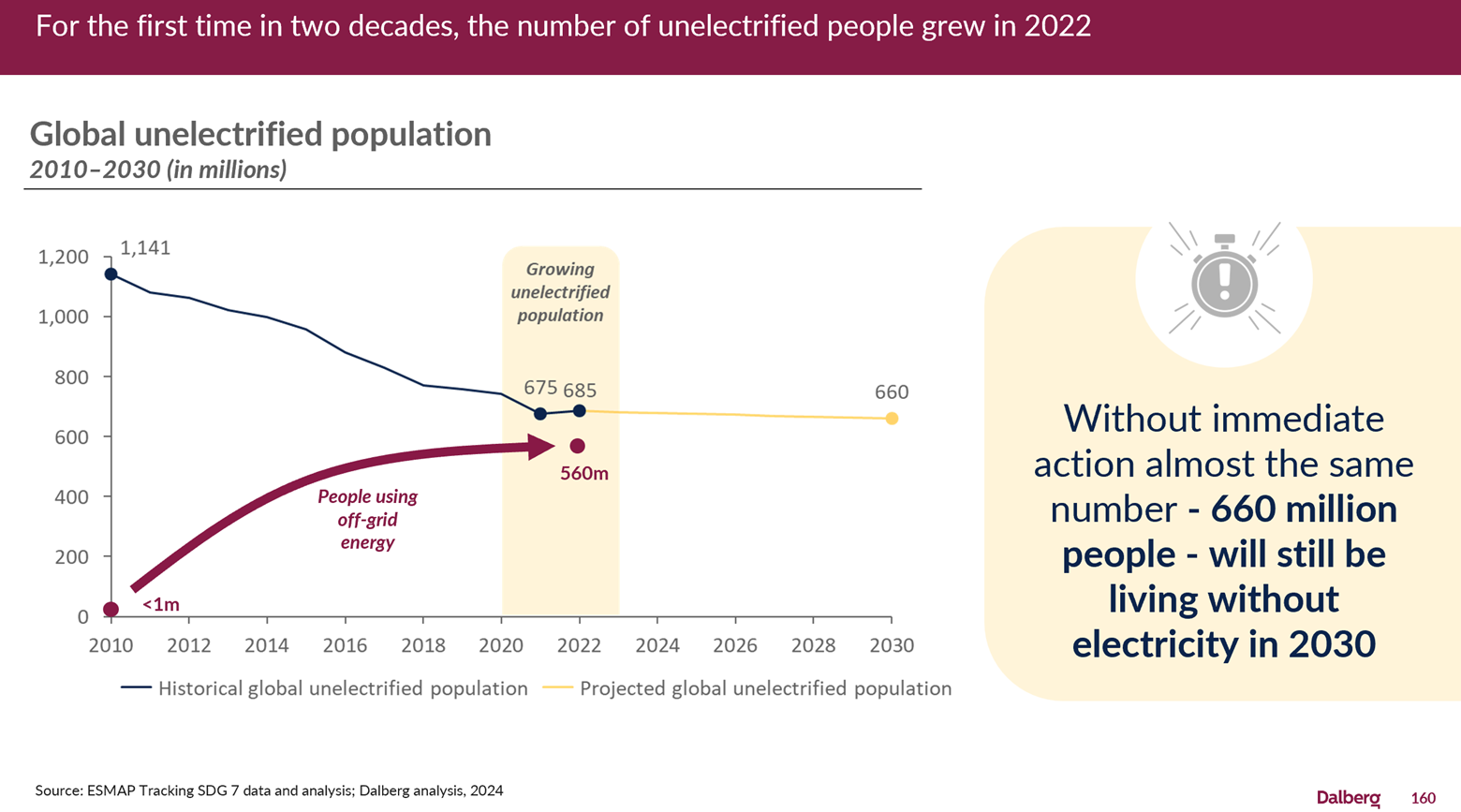
In 2010, just one million people worldwide were using off-grid energy. By 2023, this number had risen dramatically to 560 million in the developing world, thanks largely to the adoption of off-grid solar energy.
While this is an encouraging leap, it comes with limitations. These figures primarily reflect household usage, leaving public institutions and small and medium enterprises (SMEs) behind. Without greater investment and innovation, the world risks falling short of Sustainable Development Goal (SDG) 7: access to affordable and clean energy for all.
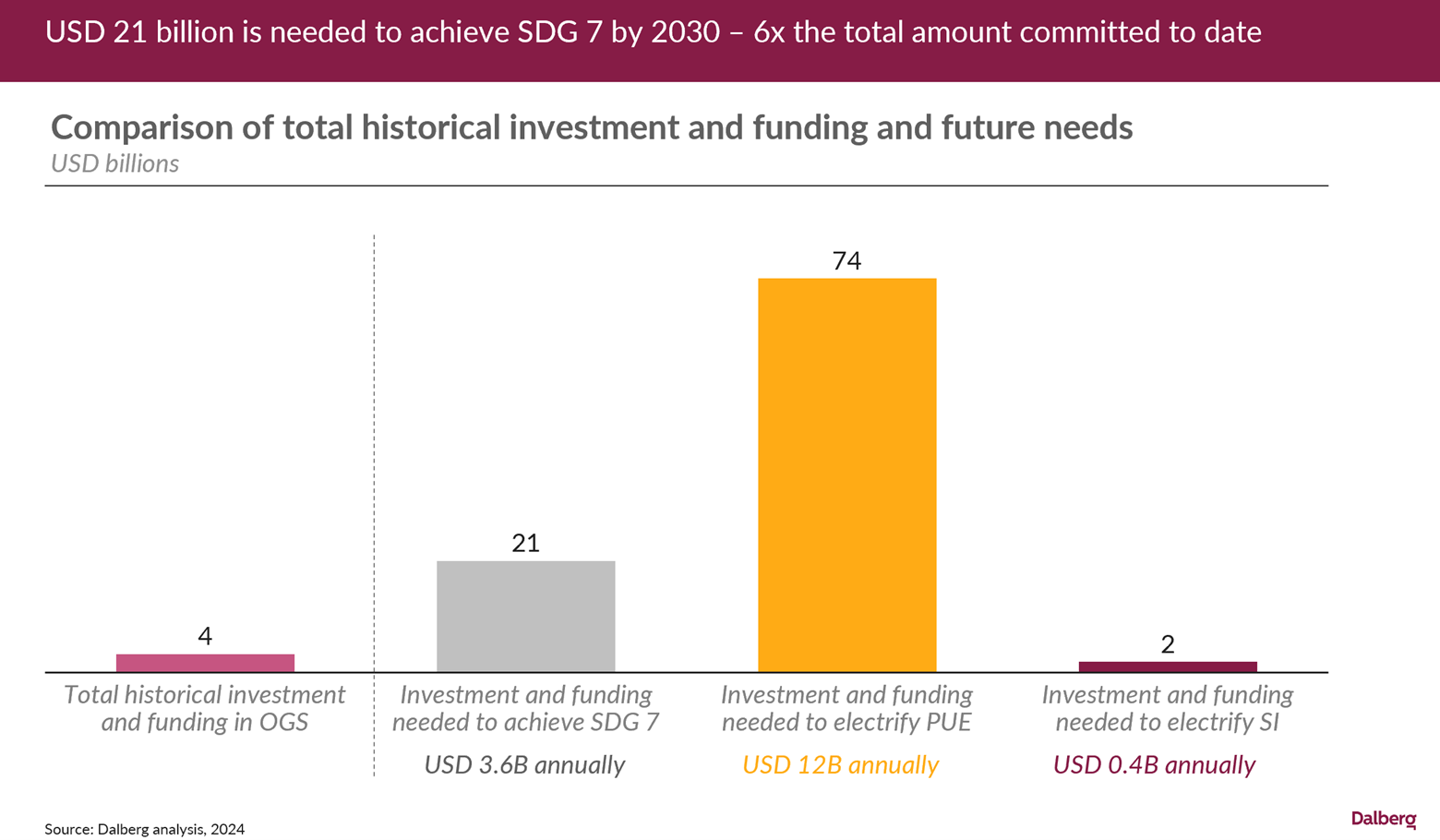
Achieving SDG 7 will require significant intervention. Channeling investment—an estimated $100 billion—into electrifying households and industries through productive-use solutions for SMEs and public institutions could have transformative effects.
Energy Transition: A Consumer-Centric Approach
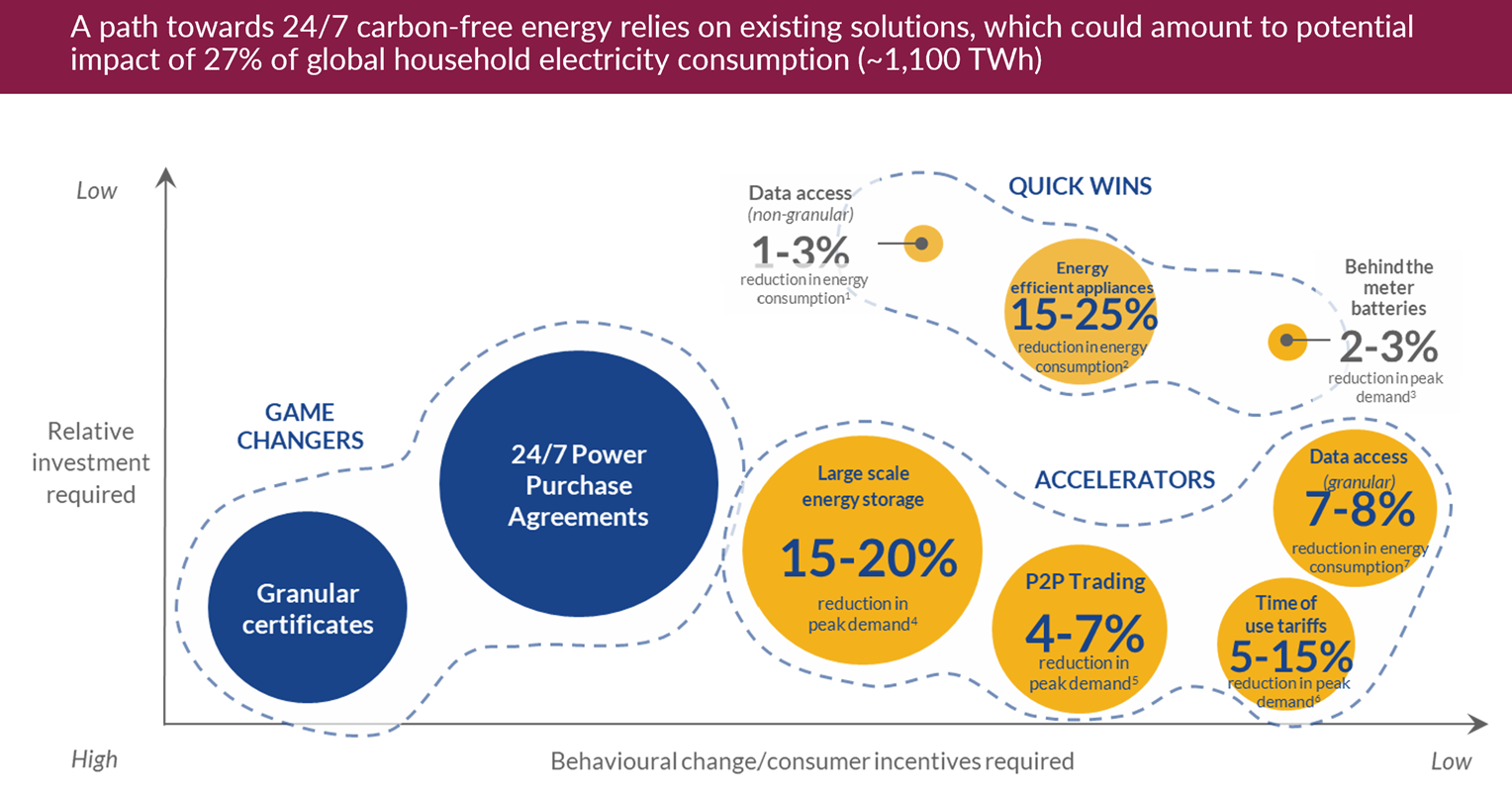
Tsan and Chau emphasized the importance of empowering consumers to play a more active role in decarbonization. With household electricity decisions accounting for 20% of global greenhouse gas emissions, solutions that reduce energy consumption and integrate renewables into the grid are crucial. Among these solutions, rooftop solar power stands out as an effective tool. Scaling up technologies like this is critical to driving meaningful progress toward decarbonization.
Tsan and Chau also challenged the traditional perspective on energy, advocating for it to be treated as a public good. While state subsidies already support energy systems in many countries, a shift toward consumer-focused subsidies could unlock new opportunities.
This alternative approach, paired with innovative business models, is essential for advancing both energy access and transition. By rethinking subsidies and scaling renewable technologies, we can accelerate progress toward SDG 7 while addressing the broader climate challenge.
The Path Forward
Achieving success across these agendas will require creativity, investment, and collective action. Whether electrifying underserved communities or scaling consumer-driven solutions, Dalberg remains committed to shaping innovative pathways toward sustainable energy futures.
Watch the video to learn more about achieving the green transition:
Watch the full version of the video here.