



Dalberg uses cookies and related technologies to improve the way the site functions. A cookie is a text file that is stored on your device. We use these text files for functionality such as to analyze our traffic or to personalize content. You can easily control how we use cookies on your device by adjusting the settings below, and you may also change those settings at any time by visiting our privacy policy page.

As India accelerates its clean energy transition, domestic manufacturing will be a decisive driver of energy security, economic growth, and job creation. As part of the Blueprint for India’s Cleantech Manufacturing Ambition launched at Bharat Climate Forum 2026, Dalberg undertook a comprehensive set of analyses to chart how India can build globally competitive manufacturing ecosystems across priority cleantech sectors.
This body of work brings together six sectoral pathway analyses, spanning solar photovoltaics, wind energy, battery and energy storage, electric mobility, green hydrogen, and high-voltage transmission along with six cross-sectoral pathway analyses on the structural reforms needed to enable scale. Together, these analyses assess current manufacturing capabilities, identify critical import dependencies, and outline practical pathways to achieve ~50% domestic value addition by 2030, while unlocking significant economic opportunity and employment potential.
The findings highlight that without deeper indigenization, India’s cleantech import bill could rise sharply over the coming decade. By contrast, coordinated action across demand design, innovation systems, raw materials, capital equipment, talent, and financing can position India to meet domestic demand and to emerge as a globally relevant cleantech manufacturing hub.
Learn more about our work on ‘Building a Global Cleantech Compass’.
Explore the sectoral deep dives and cross-cutting analyses below. In case you have any questions, please get in touch with Vismit Bansal.
-
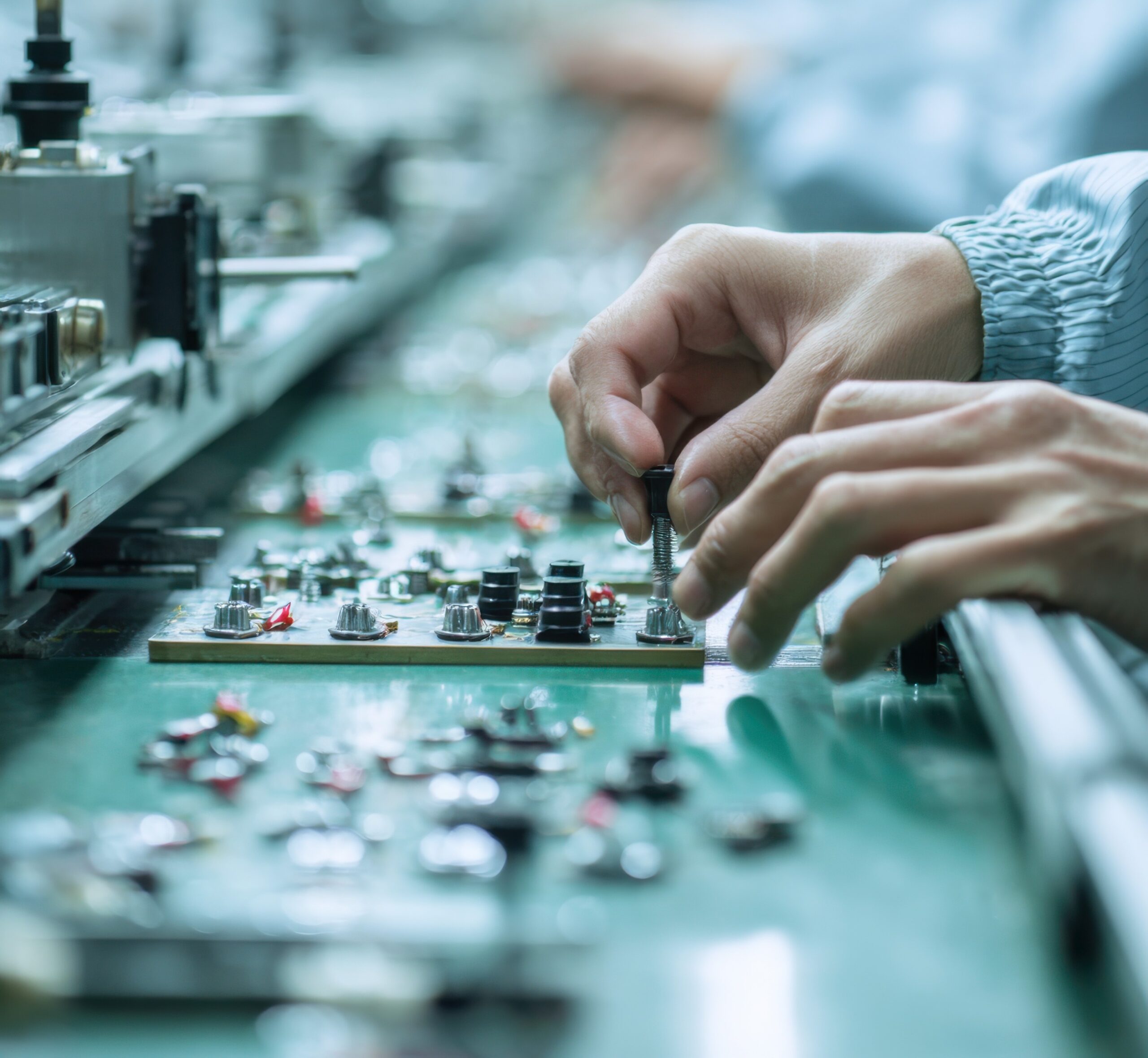
SECTORAL PATHWAYS Strategic Pathways and Insights Across Sectors
This series of sectoral pathway analyses examines how India can build and scale manufacturing capability across six priority cleantech value chains: solar photovoltaics, wind energy, battery and energy storage, electric mobility, green hydrogen, and high-voltage transmission.
Read More -
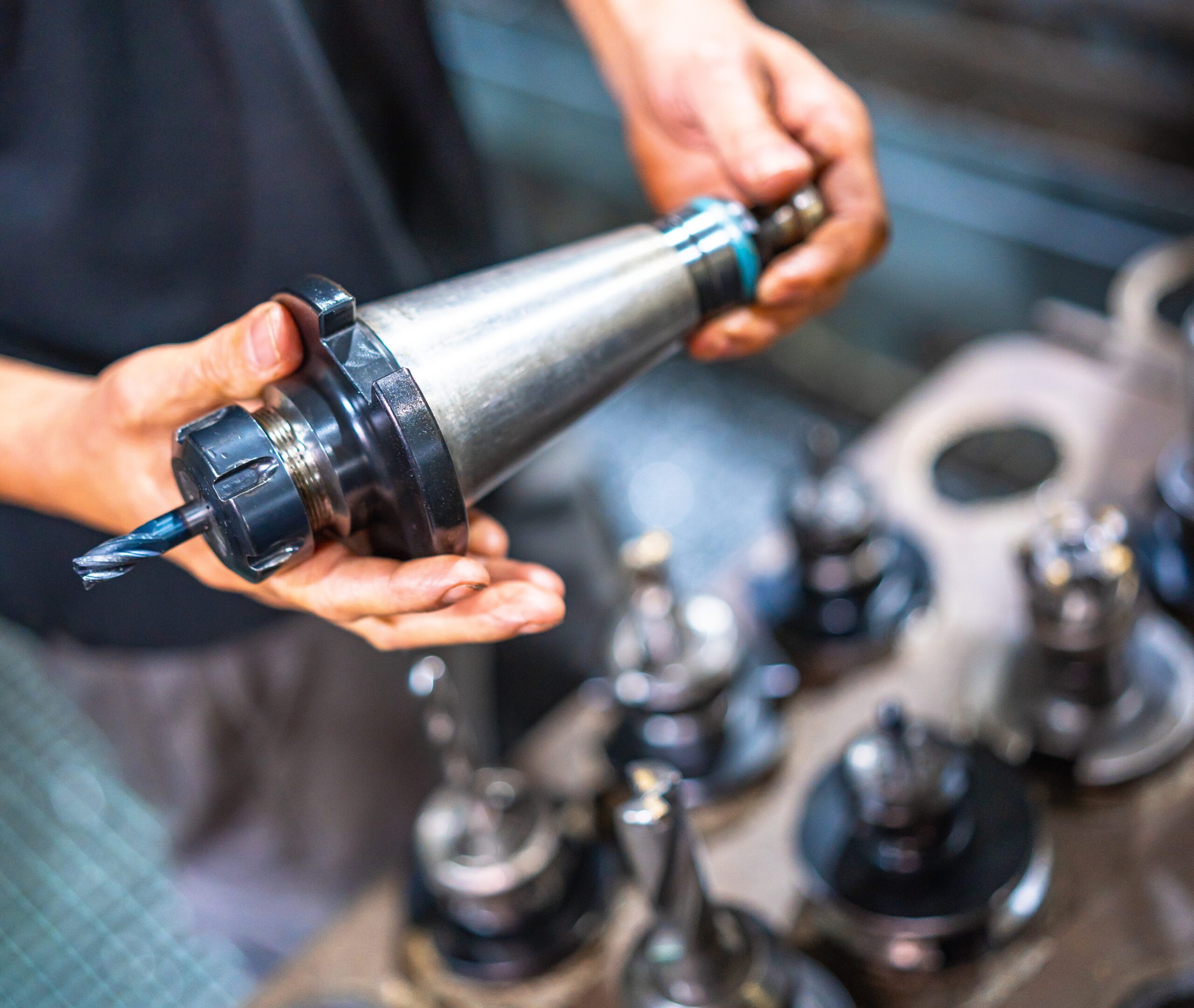
CROSS-SECTORAL PATHWAYS Six Structural Drivers To Enable Cleantech Manufacturing Transition
This analysis complements the sectoral deep dives by focusing on the horizontal enablers: demand and market architecture; research, development, and product innovation; upstream raw materials and critical inputs; capital equipment and infrastructure; talent and workforce; and financing and taxation.
Read More -

THE NATIONAL MANUFACTURING MISSION Comparative Insights on Cleantech Manufacturing Across Indian States
An assessment by Dalberg examines the readiness of 10 leading Indian states to attract and scale cleantech manufacturing, highlighting their distinct strengths and opportunities across priority value chains.
Read More